
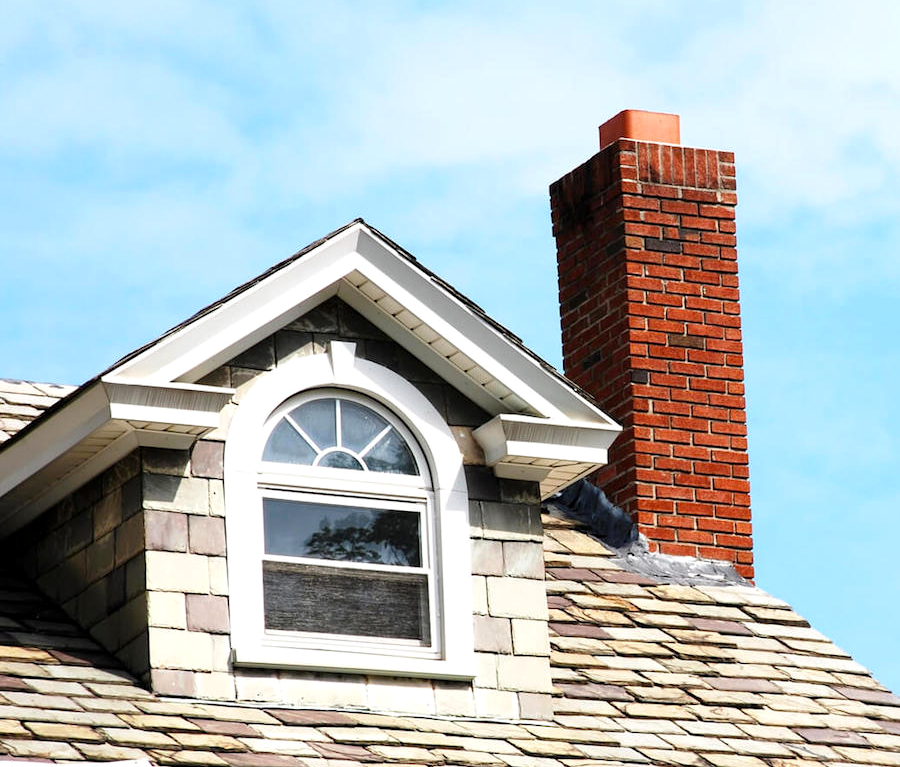
If you live in a Toronto brick home older than 30 years, the question is not whether you need masonry brick repair — it is when. This guide explains the difference between tuckpointing and brick replacement, what each costs in 2026, and how to spot a bad mortar repair before it costs you twice.
| Problem | Repair type | Cost | Lifespan after repair |
|---|---|---|---|
| Crumbling mortar joints | Tuckpointing | $12 – $25 / sq ft | 50–80 years |
| Cracked / spalled bricks | Brick replacement | $25 – $50 per brick | Original brick life |
| Vertical step crack in wall | Foundation movement assessment + structural repair | $1,500 – $20,000+ | varies |
| White efflorescence | Cleaning + sealing | $5 – $15 / sq ft | 5–10 years |
| Bulging brick wall | Major rebuild / pinning | $15,000 – $80,000 | 50+ years |
| Lintel failure (over windows) | Lintel replacement | $1,500 – $4,500 per opening | 50+ years |
Quick rule: if mortar can be scratched out with a screwdriver, tuckpoint. If individual bricks are cracked, spalled, or sound hollow, replace those bricks. If the wall is bulging or has step cracks across multiple courses, you have a structural issue beyond cosmetic masonry brick repair.
When you need tuckpointing
Tuckpointing (also called repointing) is the process of removing deteriorated mortar from joints and replacing it with new mortar, typically to a depth of ¾” to 1″. The bricks themselves stay in place.
Signs you need tuckpointing in Toronto
- Mortar feels soft or sandy when scratched with a screwdriver.
- You can see daylight or vertical cracks in the joints.
- Mortar is missing in spots — bricks have visible gaps between them.
- You see water staining inside the basement on exterior walls.
- Mortar colour has gone chalky or flaky.
Why Toronto mortar fails
Toronto’s freeze-thaw cycles are brutal on old lime-based mortar. Water enters joints, freezes (expanding 9%), and cracks the mortar. Over decades, joints recede until they cannot shed water — and then the bricks themselves start to suffer.
Houses built before 1950 had soft, lime-rich mortar (intentionally — it lets the wall flex and dry). When repaired with hard modern Portland cement mortar, the mismatch causes accelerated brick damage. Always confirm your contractor uses lime-based mortar for pre-1950 brick homes.
Tuckpointing cost in Toronto 2026
| Wall area | Cost |
|---|---|
| Small section (one wall, partial) | $1,500 – $4,500 |
| Full wall (one elevation, residential) | $4,500 – $12,000 |
| Whole house (all 4 elevations) | $12,000 – $35,000 |
Per-sq-ft pricing typically runs $12–$25 depending on wall complexity, scaffolding requirement, and joint depth needed.
When you need brick replacement
Cracked, spalled, or hollow-sounding bricks need to come out. Brick replacement is more expensive per brick than tuckpointing per square foot, but you only do it for the bricks that have failed.
Signs you need brick replacement
- Spalling: brick face is flaking off in layers.
- Cracking: visible vertical or diagonal cracks in individual bricks.
- Hollow sound when tapped with a screwdriver handle.
- Crumbling face: bricks feel sandy or dust off when touched.
Why bricks fail in Toronto
Same root cause as mortar: freeze-thaw of trapped moisture. When joints fail first, water sits against the brick and freezes. The brick face spalls off in layers (you will see thin slabs of brick on the ground after winter).
Once a brick has spalled significantly, it cannot be saved — the structural integrity is gone. The fix is to remove and replace it.
Brick replacement cost in Toronto 2026
- Per brick (matched and replaced): $25–$50.
- Section (10–30 bricks in one area): $400–$1,800.
- Major area (whole wall section, 100+ bricks): $5,000–$25,000.
The challenge with brick replacement is matching. Toronto brick yards (Brampton Brick, Hanson, Coronado) can usually match modern brick. Pre-1960 bricks (especially the soft red Toronto common brick) often need to be sourced from demolition yards or replaced with the closest available match.
Tuckpointing vs brick replacement — common misdiagnosis
Many Toronto homeowners are quoted for full brick replacement when tuckpointing would suffice. Two questions to ask:
- “Is the brick face still sound when tapped?” If yes, tuckpointing alone is enough.
- “Are the cracks in the joints, or in the bricks themselves?” Joint cracks = tuckpointing. Brick cracks = replacement.
A reputable masonry brick repair contractor will walk the wall with you, point out which bricks are sound, which are spalled, and what the mix needs is.
How to spot a bad mortar job
Bad tuckpointing in Toronto is unfortunately common. Watch for:
- Smeared mortar on the brick faces (lazy work, hard to clean later).
- Wrong colour — fresh mortar is too white or too grey vs the original.
- Hard Portland mortar on a soft pre-1950 brick wall — guarantees brick damage within 5 years.
- Joint profile mismatch: original tooled joints (concave, V-joint, weather struck) replaced with flush mortar.
- Joints not raked deep enough: ¾” minimum, ideally 1″.
When evaluating a mortar repair after the fact, scratch the new mortar with a screwdriver. It should be hard but not glass-like. If it scratches like sandpaper, it is too soft. If the screwdriver bounces off, it is too hard for old brick.
Cost-saving strategies that work
- Phase the work: tuckpoint the most weather-exposed wall first (south- and west-facing). Plan the others for years 2–4.
- Combine with other masonry: if you also need block and stone masonry work or natural stone repair, bundling saves 10–20% on mobilisation.
- Get the work done in non-peak season: contractors give better pricing in late fall (Oct–Nov) and early spring (Mar–Apr) than in peak summer.
- Skip the sealer — most professional masons agree that sealing brick traps moisture and accelerates failure. Tuckpointing alone is the right answer.
When you need an engineer, not a mason
Some “brick problems” are actually structural problems and need engineering, not masonry:
- Step cracks running diagonally across multiple courses → foundation movement.
- Bulging walls → tie failure or wall thickness issue.
- Lintel sag above windows or doors → corroded steel or wood lintel needs replacement.
- Cracks reopening after previous repair → underlying structural issue not addressed.
In these cases, get a structural engineer ($800–$2,500 for an inspection report) before any masonry work — the mortar repair will fail again if the structural cause is not fixed.
FAQ
How much does masonry brick repair cost in Toronto in 2026? Tuckpointing runs $12–$25 per sq ft. Brick replacement runs $25–$50 per brick. Whole-house exterior repair typically falls between $12,000 and $35,000 depending on size and complexity.
How do I know if I need tuckpointing or brick replacement? If the joints are crumbling but the bricks are sound, tuckpointing. If individual bricks are cracked, spalled, or hollow-sounding, replacement. Most Toronto homes need both — joints for the whole wall, replacement for specific failed bricks.
Can I tuckpoint over old mortar without removing it? No. Effective tuckpointing requires removing the old mortar to ¾”–1″ depth, then refilling with fresh mortar. Surface-only “buttering” fails within 2–3 years.
What time of year is best for masonry brick repair in Toronto? Late spring through early fall when temperatures are consistently above 5°C (40°F). Mortar cures poorly in cold weather. Most Toronto contractors stop tuckpointing by late October.
Should I seal my brick wall after tuckpointing? Most masons advise against it. Sealing traps moisture inside the wall, which accelerates freeze-thaw damage. A properly tuckpointed wall does not need sealing.
If you are seeing crumbling mortar or spalled bricks, request a free masonry quote — we will walk the wall with you and tell you exactly what needs tuckpointing, what needs replacement, and what can wait.




Leave A Comment