
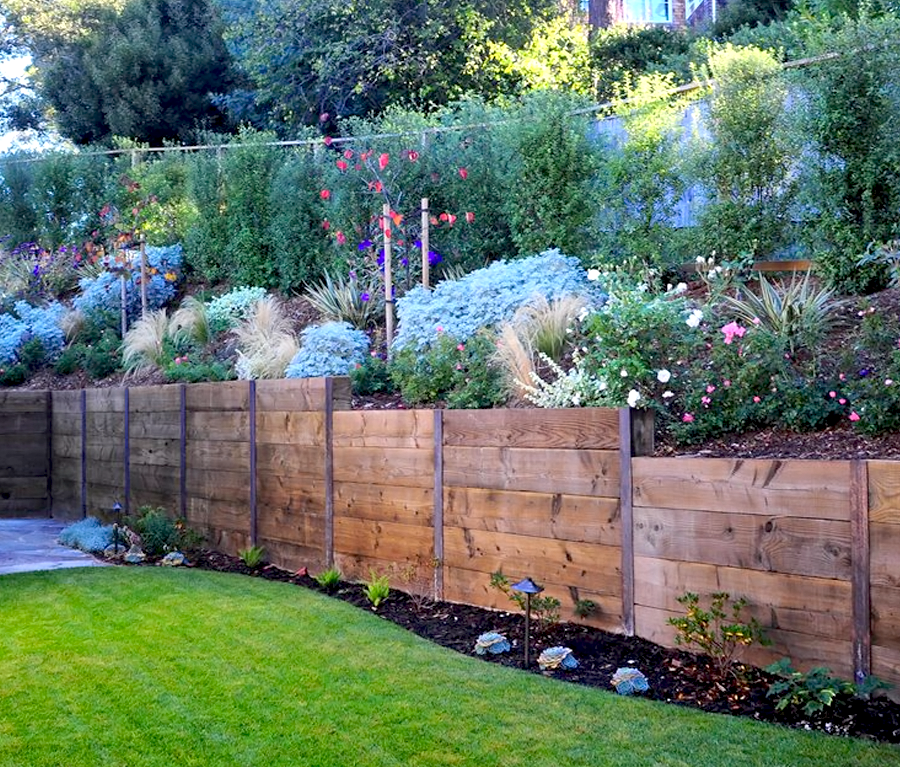
Outdoor privacy screens are one of the highest-leverage backyard upgrades in Toronto. The right screen turns a yard that looks straight into the neighbour’s deck into an outdoor room. The wrong screen blocks the view, blocks the wind, and looks dated by year five. This guide walks through wood, stone, composite, and aluminum options for outdoor privacy screens in Toronto with real 2026 costs.
Privacy Screen Comparison
| Type | Cost / linear ft (6 ft tall) | Lifespan | Visual weight |
|---|---|---|---|
| Pressure-treated wood lattice | $80 – $140 | 10–15 years | Light |
| Cedar slat / horizontal | $180 – $320 | 20–30 years | Medium |
| Cedar shou-sugi-ban (charred) | $260 – $420 | 30–40 years | Heavy/dark |
| Composite (Trex, Fiberon) | $280 – $440 | 25–30 years | Medium |
| Aluminum slat | $260 – $420 | 30–50 years | Light |
| Stone / masonry pillars + infill | $480 – $850 | 75+ years | Heavy/permanent |
| Living wall (cedar frame + planters) | $400 – $720 | varies | Soft/green |
A 30-foot run of screen at 6 ft tall is the most common Toronto backyard project. Total project cost typically lands $4,500–$12,000 depending on material.
What outdoor privacy screens actually need to do
Three jobs:
- Block direct sight lines from neighbouring decks, kitchen windows, and second-floor windows.
- Survive Toronto winters without warping, cracking, or rotting.
- Look good from the inside — your view of the screen is the one that matters.
A screen that nails all three is rare in $30/linear ft territory. Most “cheap privacy fence” upgrades fail at #2 within 8–12 years.
Wood privacy screens
Cedar (the Toronto standard)
Cedar slat or board-and-batten screens are the GTA default for residential backyards. The look is warm, neutral, and ages to a silver patina if left untreated.
Cost in 2026: $180–$320 per linear ft for a 6 ft tall screen, including frost-protected post footings.
Pros – Beautiful, warm material. – Naturally rot-resistant (10–20 years exterior life without treatment). – Easy to incorporate into pergola installation and other landscape elements. – Easy to refresh or replace individual boards.
Cons – Needs annual or biannual cleaning to prevent algae buildup on the shaded side. – Stain or oil maintenance every 2–4 years to keep the warm colour (otherwise greys out — which some people prefer). – Slat spacing matters. Tight spacing blocks wind and creates pressure on posts; wide spacing reduces privacy.
Cedar shou-sugi-ban (charred cedar)
Japanese-tradition charred cedar. The surface is torched, which carbonises the outer layer and protects the interior wood. Lifespan jumps to 30–40 years exterior with virtually no maintenance.
Cost in 2026: $260–$420 per linear ft.
The look is dark, modern, and dramatic. Increasingly popular in Toronto for contemporary and Japanese-inspired landscapes.
Pressure-treated lattice
The cheapest wood privacy screen option. Pressure-treated lattice runs $80–$140/linear ft installed but the look is dated, the lifespan is 10–15 years, and the structural integrity drops fast in years 8+.
For a budget project, pressure-treated lattice works as a temporary solution. For anything long-term, cedar is worth the extra $100/linear ft.
Composite privacy screens
Trex, Fiberon, Wolf
Composite lumber (recycled plastic + wood fibre) marketed as zero-maintenance. Slat-style privacy screens in composite cost $280–$440 per linear ft installed.
Pros – 25–30 year lifespan with virtually no maintenance. – Won’t rot, warp, or crack. – Available in colours that mimic wood. – Long warranty (25 years residential is common).
Cons – Looks “manufactured” up close — does not match cedar’s warmth. – Limited colour range that ages slowly toward a duller shade. – Higher upfront cost than cedar; marginal cost benefit over 25 years. – Some products absorb stains in tight spaces (BBQ grease, food spills).
For homeowners who hate maintenance, composite is the right answer. For homeowners who want stone-grade longevity in a wood-look material, composite is overpriced versus cedar shou-sugi-ban.
Aluminum slat screens
Modern engineered systems
Powder-coated aluminum slat systems (e.g., Slatted modern, contemporary brands) have grown popular for modern Toronto homes. Slats are typically 4″–6″ wide, mounted on aluminum posts.
Cost in 2026: $260–$420 per linear ft.
Pros – 30–50 year lifespan with no maintenance. – Sleek, modern look. – Slim posts free up garden space. – Can mount lights, planters, or accessories directly to the system. – Powder-coat colour stays true for 20+ years.
Cons – Looks engineered (which is good for modern homes, wrong for traditional ones). – Heat radiates in summer — south-facing aluminum screens get hot. – Cost is similar to cedar with longer lifespan, but the aesthetic does not suit every property.
Stone and masonry privacy walls
Pillars + infill
The premium option. Stone pillars at corners and at 8–12 ft intervals, with infill panels between (cedar, composite, or stone).
Cost in 2026: $480–$850 per linear ft installed for stone pillars + cedar infill. Solid stone wall: $850–$1,400 per linear ft.
Pros – 75+ year lifespan for the stone elements. – Permanent, premium look. – Highest resale value impact in upper-tier Toronto neighbourhoods. – Can integrate with block and stone masonry elements throughout the landscape.
Cons – Highest cost of any privacy screen option. – Needs frost-protected concrete footings ($600–$1,200 per pillar). – Permits often required (walls and pillars over 1 m typically). – Permanent — hard to relocate later.
When stone walls make sense
For boundary properties in established Toronto neighbourhoods (Lawrence Park, Forest Hill, Rosedale, Bridle Path) where the property already has stone elements and the resale market expects them.
For typical suburban GTA homes ($1.5M–$2M range), stone pillars are usually disproportionate to the rest of the landscape — cedar with stone accents at the entrance pillars is more balanced.
Living privacy screens
Cedar frame with built-in planter boxes for climbing vines (clematis, Boston ivy, Virginia creeper) or upright shrubs (cedar trees, columnar oak, juniper).
Cost in 2026: $400–$720 per linear ft.
Pros – Soft, organic look. – Provides sound dampening on top of visual privacy. – Improves with age as plants fill in. – Can include espaliered fruit trees, flowering vines, or evergreens.
Cons – 2–4 years to reach full coverage as plants mature. – Requires watering, pruning, and seasonal cleanup. – Vines on cedar can accelerate cedar rot if not managed. – Less effective in winter when deciduous plants drop leaves.
Permits and zoning in Toronto
| Screen height | Toronto permit needed? |
|---|---|
| Up to 1 m (3.3 ft) | No |
| 1–2 m (3.3–6.6 ft) | Yes for masonry walls; cedar fences in by-law-compliant zones often exempt |
| Over 2 m (6.6 ft) | Yes |
| Any height, on property line corner | Check sight-triangle rules |
| Stone walls / pillars | Almost always require permit and engineering at 1 m+ |
Toronto’s outdoor privacy screens regulations distinguish between fences (governed by the City fence by-law) and freestanding screens. Always confirm before construction.
How to choose the right privacy screen
Three filters:
- Permanence: are you in the home for 20+ years? Then stone or aluminum makes sense. Selling in 5 years? Cedar or composite covers it.
- Architecture: traditional brick home → cedar. Modern stucco/glass home → aluminum or composite. Heritage property → stone.
- Maintenance tolerance: hate maintenance → composite or aluminum. Enjoy seasonal staining → cedar wins on aesthetics.
What kills privacy screens early
- Frost heave on undersized posts: cedar posts in 24″ deep concrete fail in 8–12 winters in Toronto. Use 48″+ deep, fully concrete-encased.
- Soil contact on cedar: cedar buried in soil rots from below within 5–8 years. Always use post saddles or stand-off bases.
- Composite without expansion gaps: composite expands with heat. Tight installs buckle in summer.
- Aluminum without thermal breaks: aluminum at the wall connection conducts heat into the home in summer.
- Stone without proper drainage: water trapped in mortar joints freezes and spalls stone over 5–10 winters.
FAQ
How much do outdoor privacy screens cost in Toronto in 2026? Cedar: $180–$420 per linear ft. Composite: $280–$440. Aluminum: $260–$420. Stone: $480–$1,400. A typical 30-ft backyard project lands $4,500–$12,000.
What is the most durable privacy screen for Toronto winters? Stone pillars (75+ year lifespan) and aluminum slat systems (30–50 years) are the longest-lasting. Cedar shou-sugi-ban offers 30–40 years at lower cost.
Do I need a permit for a 6 ft privacy screen in Toronto? For wood/composite: typically governed by the fence by-law and often exempt up to 2 m. For stone/masonry walls: almost always permit-required at 1 m+. Always confirm with the City.
Cedar or composite — which is better in the GTA? Cedar wins on aesthetics and ages beautifully. Composite wins on maintenance. Cost is similar over 25 years. Choose based on whether you enjoy seasonal staining or want zero maintenance.
Can I install a stone privacy wall on my property line? Yes, with proper engineering, footings, and a permit. Property line walls also require neighbour notification and (for shared walls) shared cost agreements.
For a quote on your specific yard, request a free privacy screen quote and we will walk the property to identify sight-line targets and screen options.




Leave A Comment